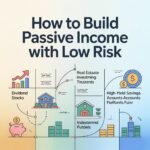

Investing is one of the smartest ways to grow your money and achieve financial security. In 2026, there are many investment options available for beginners, from low-risk savings tools to higher-growth opportunities like stocks and funds.
The key to successful investing is understanding risk, returns, and diversification. Beginners should focus on investments that are easy to start, relatively safe, and suitable for long-term growth.
This guide explains the best investment options in 2026 for beginners and how you can start building wealth step by step.
Why Beginners Should Start Investing Early
Many people delay investing because they think they need a large amount of money. In reality, even small investments can grow significantly over time through compound interest.
Benefits of Starting Early
- Builds long-term wealth
- Protects against inflation
- Creates passive income opportunities
- Improves financial discipline
- Helps achieve financial goals like retirement or buying a house
Starting early gives your investments more time to grow.
Top Investment Options for Beginners in 2026
1. High-Yield Savings Accounts
A high-yield savings account is one of the safest ways to start investing.
Why It’s Good for Beginners
- Low risk
- Easy access to money
- Higher interest than regular savings accounts
High-yield accounts can offer around 5% annual interest in some markets, making them ideal for emergency funds or short-term savings.
Best For
- Emergency funds
- Short-term goals
- Very conservative investors
2. Fixed Deposits (FDs)
Fixed deposits are popular among beginners who want stable and predictable returns.
Key Features
- Guaranteed returns
- Fixed investment period
- Low risk
Interest rates typically range from 6.5% to 8% depending on the bank and duration.
Best For
- Low-risk investors
- People saving for short- or medium-term goals
3. Index Funds
Index funds are considered one of the best beginner investments.
An index fund tracks a major market index, allowing investors to own small shares of many companies at once.
Advantages
- Low management fees
- Diversified portfolio
- Simple to invest in
Many index funds historically produce around 10–12% annual returns over the long term.
Best For
- Long-term investors
- Beginners who want simple stock market exposure
4. Mutual Funds
Mutual funds pool money from multiple investors and are managed by professional fund managers.
Types of Mutual Funds
- Equity funds
- Bond funds
- Balanced funds
- Money market funds
Equity mutual funds have historically delivered around 12–15% long-term returns, although returns can vary depending on market conditions.
Benefits
- Professional management
- Diversification
- Easy entry with small investments
5. Exchange-Traded Funds (ETFs)
ETFs are similar to mutual funds but trade like stocks on an exchange.
Advantages
- Diversification across multiple assets
- Lower fees than many mutual funds
- Easy to buy and sell
ETFs reduce risk because they spread money across many assets rather than relying on a single stock.
Best For
- Passive investors
- Beginners wanting market exposure
6. Government Bonds
Government bonds are considered among the safest investments because they are backed by the government.
Key Benefits
- Regular interest payments
- Low risk
- Stable returns
Bonds can provide steady income and stability in a diversified portfolio.
Best For
- Conservative investors
- People seeking stable income
7. Gold Investments
Gold has been a trusted investment for centuries.
Why Investors Buy Gold
- Protects against inflation
- Safe during economic uncertainty
- Preserves value over time
Gold can be purchased as:
- Physical gold
- Gold ETFs
- Digital gold
Experts often recommend allocating around 10–15% of a portfolio to gold for diversification.
8. Real Estate
Real estate remains one of the most popular long-term investments.
Benefits
- Property value appreciation
- Rental income
- Long-term wealth creation
However, real estate usually requires a large initial investment and longer holding period.
Best For
- Long-term investors
- Investors with larger capital
How Beginners Should Choose the Right Investment
Choosing the right investment depends on several factors.
1. Risk Tolerance
Ask yourself how much risk you are comfortable with.
- Low risk: savings accounts, FDs, bonds
- Medium risk: ETFs, mutual funds
- Higher risk: stocks, real estate
2. Investment Goals
Your goal determines your strategy.
- Short-term goals: safer investments
- Long-term goals: growth investments
3. Investment Time Horizon
The longer you invest, the more risk you can usually take.
Sample Beginner Investment Strategy
Here is a simple diversified portfolio example:
- 30% Index funds or ETFs
- 25% Mutual funds
- 20% Fixed deposits or savings accounts
- 15% Gold
- 10% Bonds
Diversification helps reduce risk while maintaining growth potential.
Common Investment Mistakes Beginners Should Avoid
1. Investing Without Research
Always understand what you’re investing in.
2. Trying to Get Rich Quickly
Successful investing takes time.
3. Lack of Diversification
Putting all money in one investment increases risk.
4. Emotional Investing
Avoid panic selling during market drops.
5. Ignoring Long-Term Goals
Focus on consistent growth rather than short-term profits.
FAQs
1. What is the safest investment for beginners?
High-yield savings accounts, fixed deposits, and government bonds are considered very safe.
2. How much money do I need to start investing?
Many investment platforms allow you to start with small amounts, sometimes as little as $10–$100.
3. Are stocks good for beginners?
Yes, but beginners should consider diversified investments like index funds instead of individual stocks.
4. Should beginners invest monthly?
Yes. Investing regularly (such as monthly) helps build wealth through dollar-cost averaging.
5. What is the best long-term investment?
Index funds and diversified mutual funds are widely considered excellent long-term investments.
Conclusion
Investing in 2026 offers many opportunities for beginners. Options like index funds, mutual funds, bonds, gold, and savings accounts provide different levels of risk and return.
The most important step is to start early, invest consistently, and diversify your portfolio. Even small investments today can grow into significant wealth over time.
Smart investing is not about quick profits — it’s about building a strong financial future.